



About
Vito Schiuma
Pianist, Vocalist, Composer

Portfolio
My Gigs
Moments from my most meaningful performances around the world
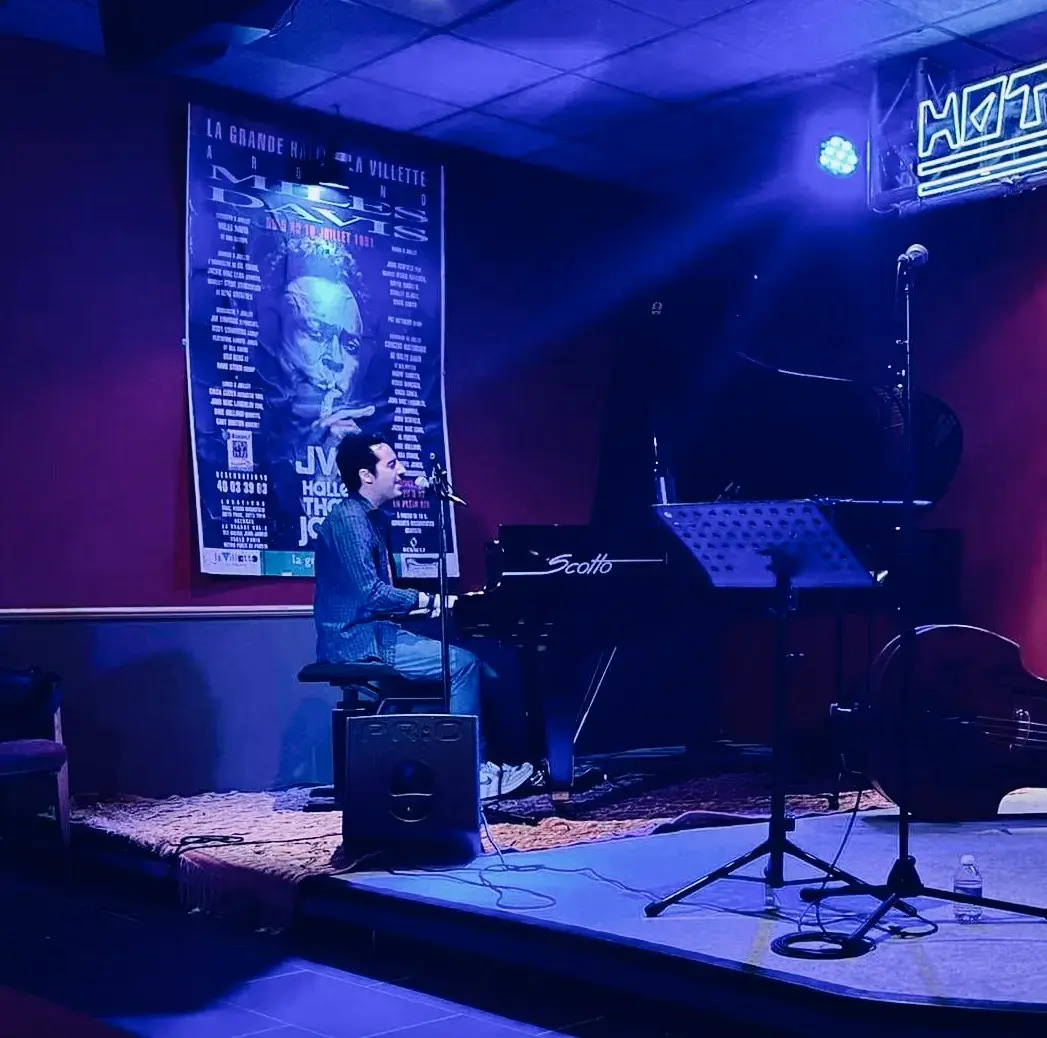
Aix-en-Provence — Hot Brass Jazz Club

Athens — Stage

Athens — Backstage

Bari — Capitani Coraggiosi

Bari — Duke Jazz Club
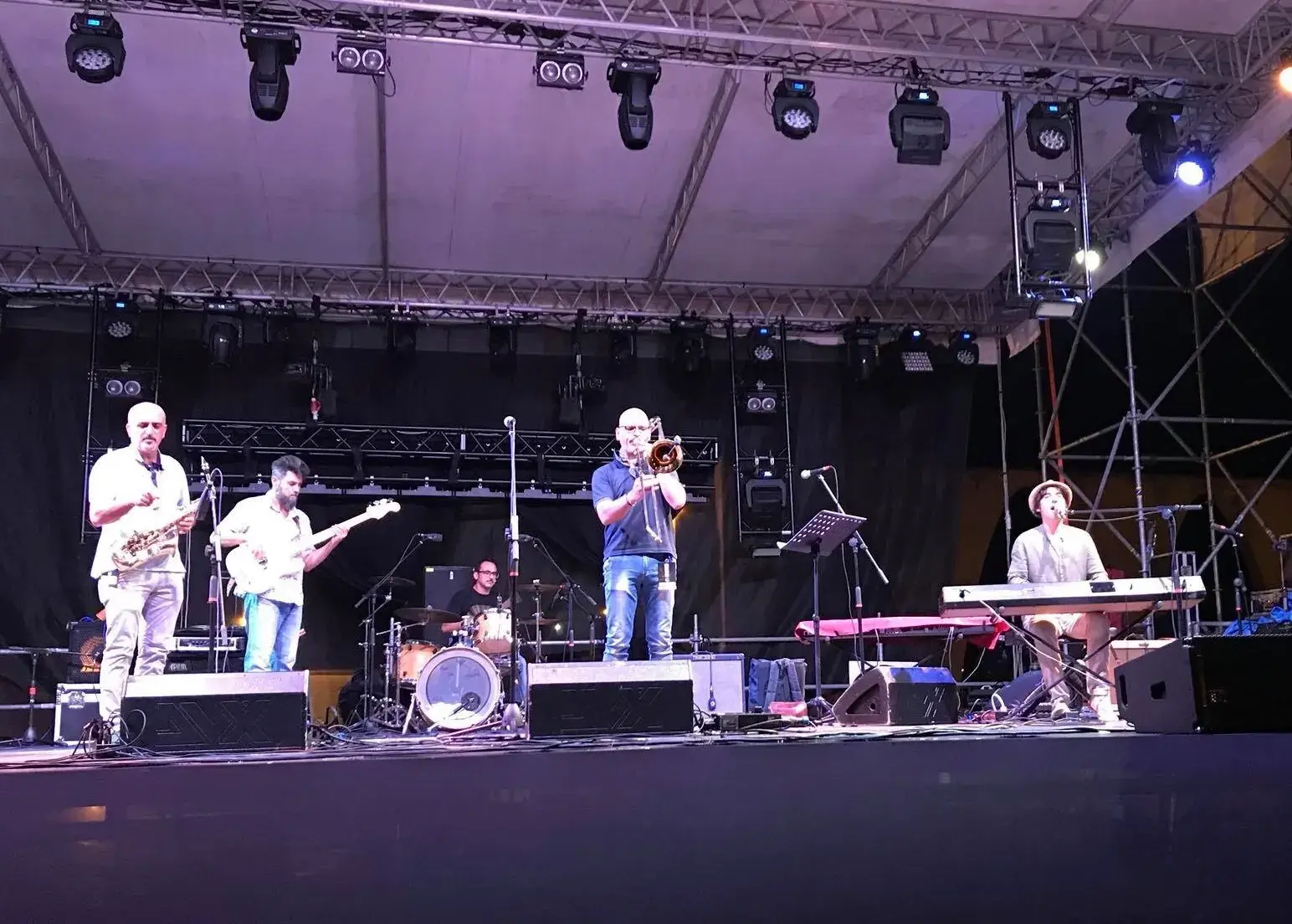
Blues in Town — Policoro

Buenos Aires — Conservatorio San Martin

Pignola Blues
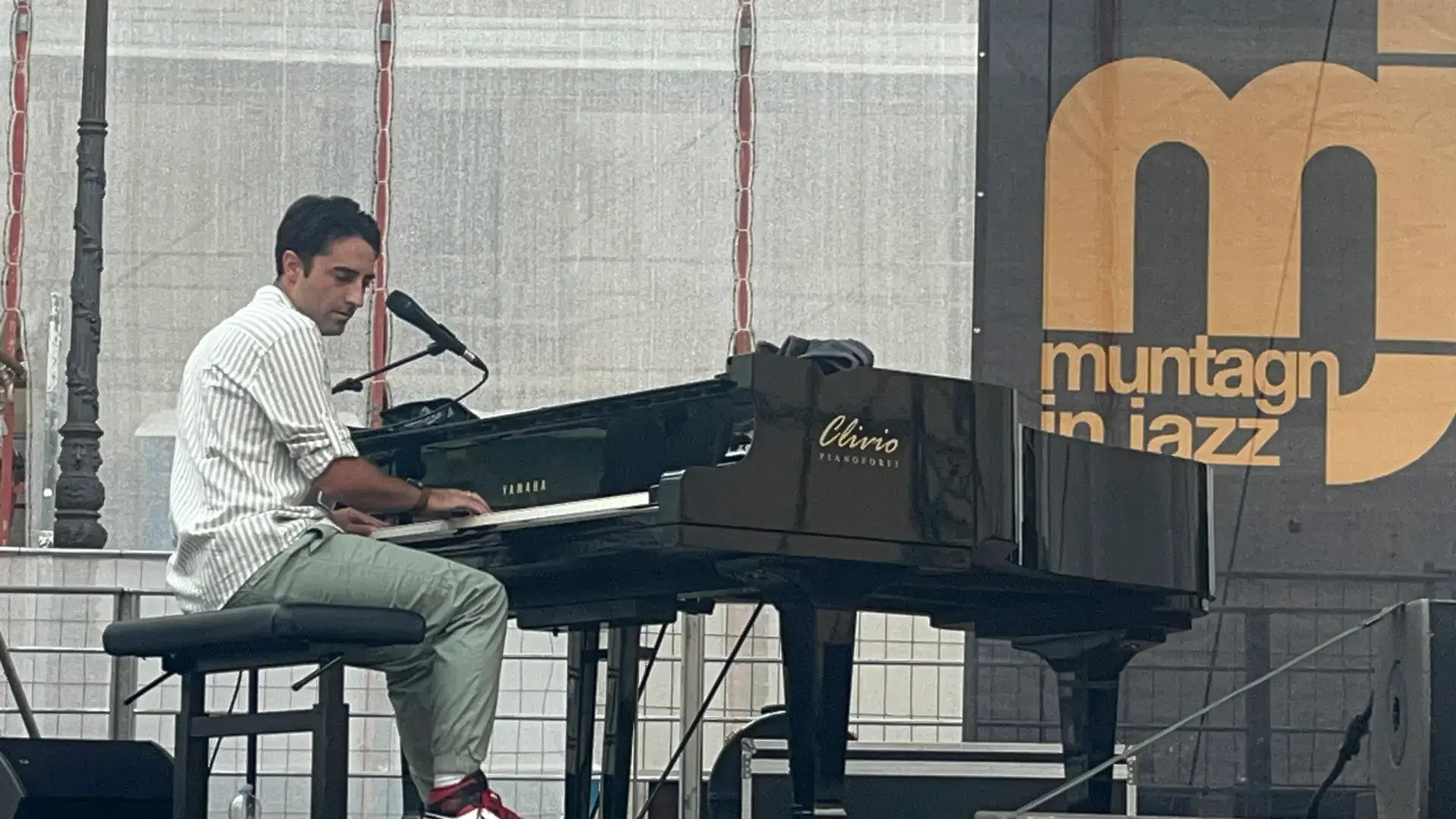
Sulmona — Piano Piano

Sulmona — Piano Piano

Taranto Music Fest
Important Gigs
My Concerts Around the World
Le bon Temps Rouler
New Orleans, USA
2014
Grammercy
Los Angeles, USA
2014

Piano Cafè Otti
Seoul, South Korea
2015

Complexo Cultural General San Martìn
Buenos Aires, Argentina
2018
Blues in Town 2018
Policoro, ITA
2018
Piano Lab 2019
Martina Franca, ITA
2019
Pignola in Blues
Pignola, ITA
2020

Hot Brass Jazz Club
Aix-en-Provence, FR
2023
Piano Piano Sulmona
Sulmona, ITA
2024
Video Portfolio
Video Portfolio
Live performances, behind-the-scenes moments, and musical explorations.
Diving deep into the heart of New Orleans with this Jon Cleary gem
Here's my take on the timeless 'Hit the Road, Jack' by the one and only Ray Charles.
Blue Bird is out. The new solo piano EP by composer/pianist Vito Schiuma.